
nervous system regulation exercises: 5 simple ways to calm body + mind (beginner-friendly)
little note for the week: keep a few of these in the back pocket for transitions between meetings, classes, errands, sleep
where: anywhere, no equipment required (byom if a mat helps)
time: 2–10 minutes
frequency: 1–3 times daily, or as needed
suitability: appropriate for all levels
pace: slow, steady, quiet, less effort more listening
most people move through the day with the nervous system stuck in overdrive, tension stacking in the shoulders, jaw clenched without noticing, breath shallow and high in the chest. the body rarely distinguishes between an approaching deadline and an actual threat, it answers both with the same familiar loop, fight flight freeze
nervous system regulation is not about perfect calm or wiping stress clean. it is about teaching the system how to return, from reactive charge back into balance, from survival mode into a place where rest and repair can happen again
these five practices work because they speak the body’s language, sensation, breath, subtle movement. no athleticism required, no flexibility benchmark, just a willingness to slow down and pay attention, like watching the luminous lightness of the moon shift across a quiet room
why the nervous system needs regulation
the autonomic nervous system runs in two main modes: sympathetic (the accelerator) and parasympathetic (the brake). sympathetic mobilizes energy for action, parasympathetic restores and digests. modern life keeps the accelerator pressed, while the brake gets treated like an optional feature
chronic stress activation tends to ripple outward
sleep gets disrupted
digestion gets weird
attention fragments
irritability becomes the baseline
muscle tension starts feeling normal
regulation practices often work through vagal tone, signaling safety and shifting the system out of hypervigilance, into a state where healing and integration can occur without forcing anything
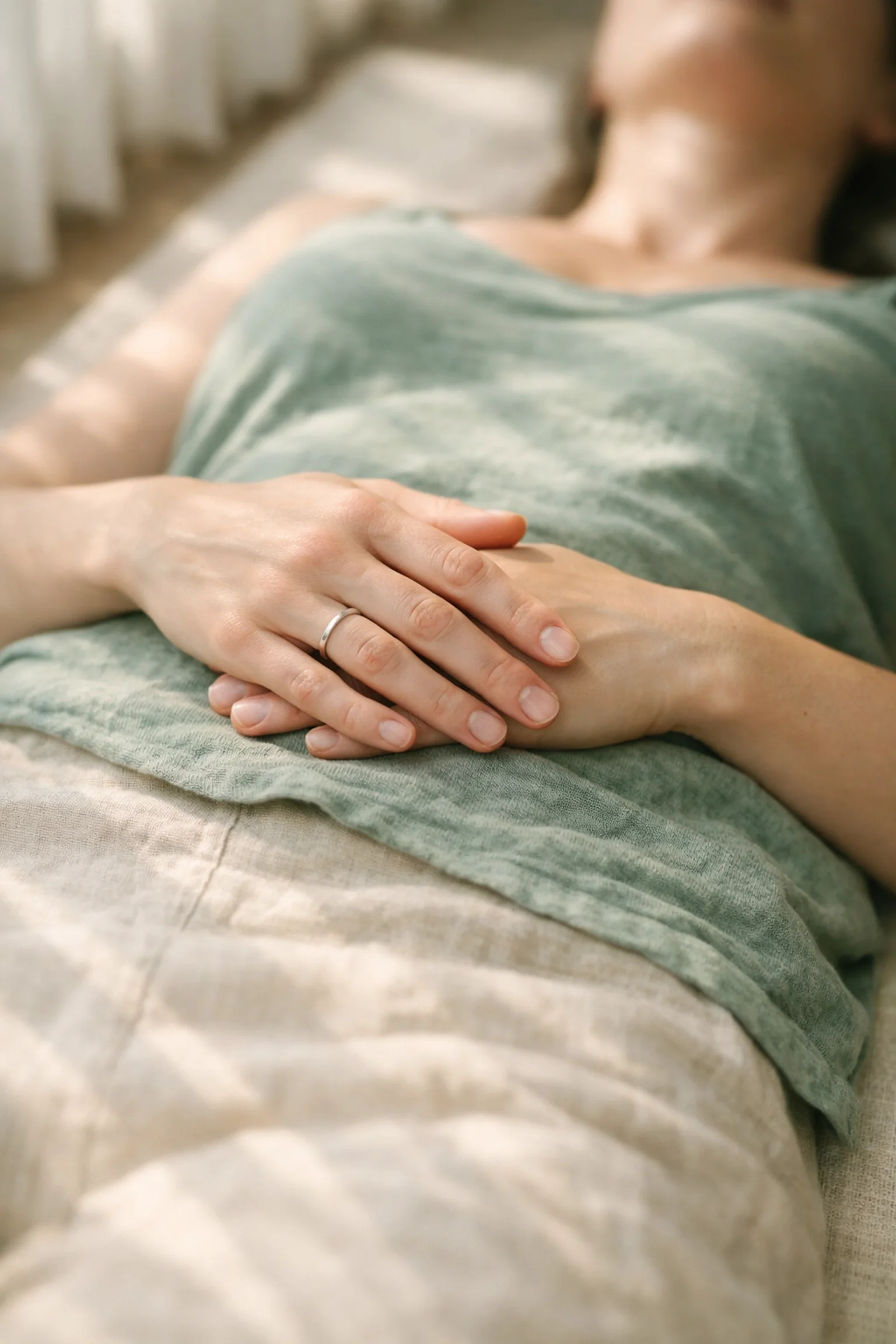
these are not quick fixes, more like steady tools for building a different relationship with stress, where the system remembers how to return to equilibrium instead of living on high alert
1. deep diaphragmatic breathing
most people breathe shallowly into the upper chest, a pattern that quietly reinforces the stress response. diaphragmatic breathing reverses the pattern by engaging the primary breathing muscle and creating space in the lower lungs where oxygen exchange is more efficient
the practice
lie down or sit comfortably
one hand on chest, one on belly
inhale slowly through the nose, belly rises, chest stays relatively still
exhale slowly through the mouth, belly falls
continue 3–5 minutes, letting the exhale become slightly longer than the inhale
the extended exhale tends to stimulate the vagus nerve, sending a message up the line that it is safe to stand down from high alert. no need to force a bigger breath, the point is allowing, creating an internal environment where the body can soften
consistency matters more than intensity. three minutes daily tends to land better than a rare hour-long reset
2. grounding through the feet
anxiety often shows up as disconnection, the mind sprinting ahead while the body tries to catch up. grounding anchors awareness in physical sensation, especially in the lower body where stability lives
the practice
stand or sit with both feet flat, hip-width apart
notice contact points: temperature, pressure, texture
slowly rock forward and back, then side to side, tracking weight shift
optional visualization: roots extending from the feet deep into the earth

bringing attention to the foundation interrupts spiraling thought loops. the body registers support, held by something solid underneath. often the jaw, shoulders, chest let go on their own when awareness drops into the feet
grounding can happen anywhere
standing in line
at a desk
in a hallway before class
waiting in the car for pickup
3. 4-7-8 breathing pattern
when the mind is particularly agitated, a structured pattern gives attention something simple and concrete, while parasympathetic pathways get a clear cue
the practice
tongue lightly behind the upper front teeth
exhale completely through the mouth
close the lips, inhale quietly through the nose for 4
hold for 7
exhale through the mouth for 8, audible whoosh
repeat 4 cycles
the long hold and prolonged exhale can create a strong parasympathetic activation. the counting occupies the thinking mind, which helps reduce rumination
common use cases
before sleep
before a difficult conversation
after a stressful commute
often the effects are immediate, heart rate slows, blood pressure drops, mental chatter quiets
4. body scan meditation
stress tends to create disconnection, attention scattering outward toward a thousand concerns. body scan meditation reverses that fragmentation by returning awareness to sensation, one region at a time
the practice
lie down or sit
bring attention to the crown of the head
notice sensation without fixing it: warmth, coolness, tingling, numbness, nothing at all
move awareness slowly down: face, neck, shoulders, arms, hands, torso, hips, legs, feet
spend 30–60 seconds with each area
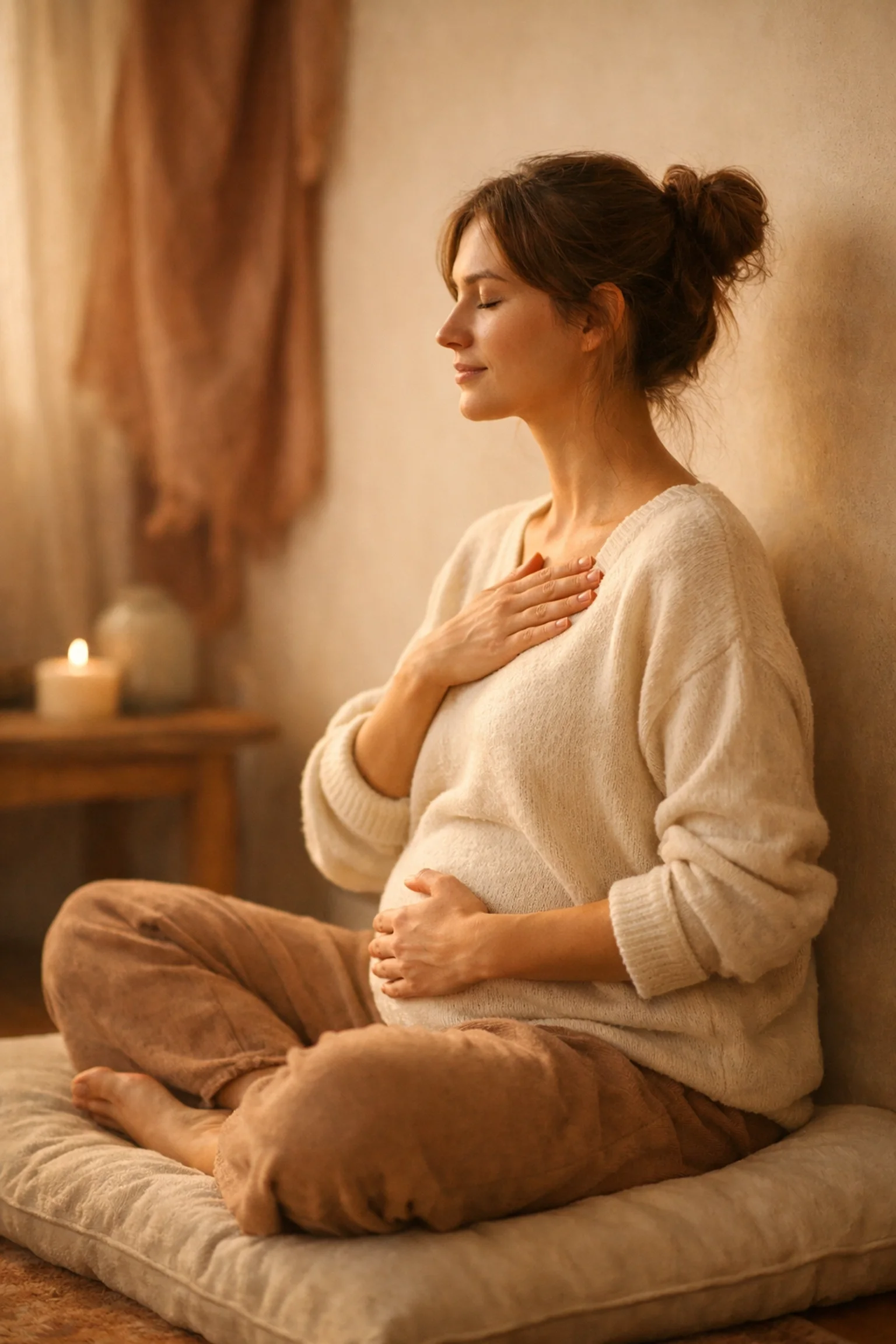
this practice is not about achieving relaxation. it is presence. tension patterns tend to reveal themselves, jaw clenching, shoulders hiking, belly gripping. simply noticing without judgment can begin shifting the pattern
regular scanning builds interoception, the ability to sense internal states with more accuracy. that awareness becomes a foundation for regulation, catching stress early before it becomes overwhelming
5. humming
humming can look too simple to matter, but it has a real impact on vagal tone and nervous system regulation. the vibrations stimulate the vagus nerve as it passes through the throat and chest, a subtle internal massage
the practice
inhale through the nose
hum steadily through the entire exhale
explore pitch and volume, noticing where vibration lands: chest, throat, face, sinuses
repeat 2–5 minutes
the sustained exhale supports parasympathetic activation. many practitioners notice settling quickly, the system downregulating in a very ordinary way
humming works when it is socially appropriate
while driving
cooking
walking
before entering a stressful situation
the benefits build over time, strengthening regulation capacity
building a sustainable practice
these techniques tend to work best when woven into daily life, not saved only for crisis. five minutes in the morning can set a regulatory tone for the day. two minutes between activities creates transition space, instead of rushing from one thing to the next
simple ways to integrate
pick one technique for mornings, one for evenings
add one micro-practice between meetings
use grounding before movement classes
use 4-7-8 before sleep
the goal is not perfection, it is repetition. the nervous system learns by doing, not by understanding intellectually
at moondog yoga, classes incorporate these regulatory principles inside movement practices, with space for both activation and integration. the new student page offers guidance on choosing classes that support individual nervous system needs, gentle restoration or mindful movement
regulation does not eliminate stress, it changes how stress moves through the body. less accumulation, less calcifying, more processing and releasing. more resilience, more flexibility, more ability to ride the inevitable waves without getting stuck
these five practices are starting points. what resonates will vary, what lands today may change next month. keep returning to what helps the system settle
light your lamp & you light the world
june
june hunt is the owner of moondog yoga and has been practicing yoga since 1996 and teaching since 2005. she is an e-ryt 500 with advanced training through the himalayan institute, and currently leads the 200- and 500-hour yoga teacher training programs at moondog. june is passionate about yoga as a tool for healing, balance, and accessibility, and feels deeply honored to support students in their individual paths.